Thinky Awards 2025 Nominee Impressions
2025-12-30 Roundup
The folks at Thinky Games were kind enough to invite me back to be a juror for their annual awards show! There are a ton of great games and it’s been an absolute blast playing through as many as I can while building my ballot.
In case you don’t have time to play them all (and let’s face it, who does?), here’s a rundown of everything I finished (or at least tried) that’s been nominated.
Where relevant, reviews are scored out of 4. Here are all the (beatable) nominees I’ve played, in alphabetical order:
0Player
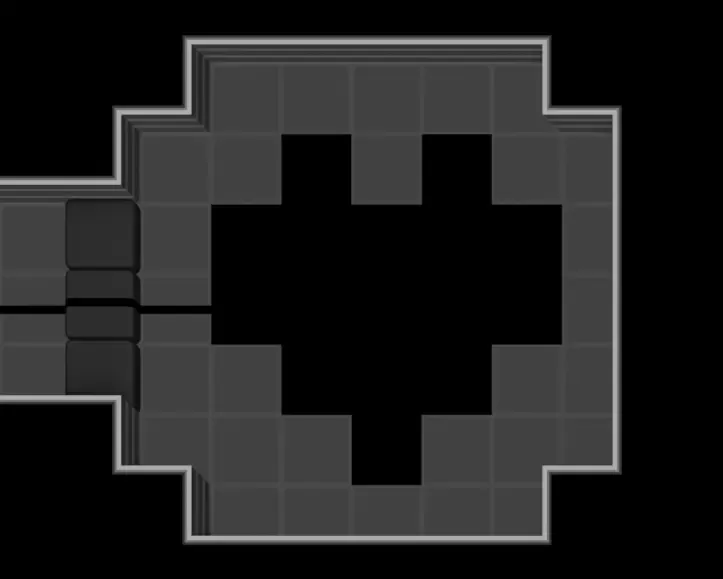
An experience that pushes the definition of a “game”, 0Player is just an image. No moving pieces, no feedback, just an image. But, it’s an image that contains a “playable” puzzle game. You move the pieces in your head and intuit the way the mechanics should fit together based on your progress so far. Corey’s glowing feature sold me on at least giving it a shot.
I was impressed at how intuitive it was to “play”. Each puzzle was self-contained enough that I could slide everything around in my head. And, when moving between puzzles, it’s easy enough to remember which wires have been illuminated. For a thing you can’t actually play, it worked surprisingly smoothly. It was a fascinating experience and is certainly pushing the boundaries of the genre.
My biggest gripe is how much more focus it takes to play when compared to a normal game. Normally I can take short breaks during a game or play while I’m watching TV. But without taking notes on the image (which I could do, but didn’t for simplicity), it’s hard to jump in and out.
Verdict: Will likely revisit when I can set the time aside to play.
Blue Prince
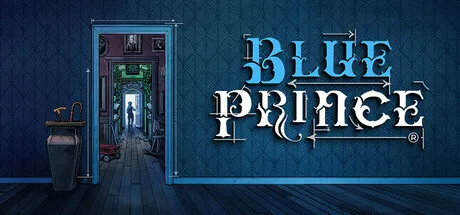
Stunning in its vastness and meticulousness. Dense, deep puzzles and a continuous stream of discoveries kept us engaged for nearly 100 hours. That's extremely rare for any game, much less a puzzle game. The pacing was occasionally frustrating and the RNG worked against us as much as it worked for us. The sheer scale and specificity of everything outweighs any flaws and untied loose ends. Everything about BP's design was just so graceful. I was constantly impressed with how precisely every game mechanic fit together.The actual deck builder was fun in its own right, but it blows my mind how deeply connected every inch of it was to the underlying meta puzzles. Every inch of this game was precise and rocked. Though there was actual in-game progression too, I loved the knowledge-based power curve. The more we knew about the house, the more successfully you could build and navigate it. Some could be a little obtuse, but marinating on the puzzles and/or some (eventual) light web searching kept us moving. Each time our interest waned, we'd find a New Clue that would pull us back in.I also took more notes than I've ever taken for a game- probably 100 distinct pages, plus countless screenshots. Gameplay wise, we drafted more than 2,300 rooms across 83 in-game days, taking more than 7,400 steps across those runs. We hit the initial credits after 17 hours or so, but that was basically just the tutorial.This game was a blast, gripes and all.
Chroma Zero

One of my top games from this list, it’s a visually striking game directly inspired by the sense of discovery in Outer Wilds. It’s very open ended and, while there’s a couple of small things that get unlocked, most progression is in your mind. Walking around and experimenting to learn about the world is always a blast. There’s a lot of interconnected elements at play! The low-poly environment works great as a stripped-down setting. The sense of scale was cool too, since everything around you is so huge. Plus I love a game with a spoiler-light hint guide.
Verdict: Excited to play. Soon.
Cipher Zero

In my article CIPHER ZERO does a lot with a little, I concluded:
A tricky-but-fair rule discovery game with beautiful pixel art and atmospheric vibes.
- Has many puzzle mechanics, combined and explored well
- Little design twists keep the many puzzles feeling fresh
- The theme doesn't do much to support the gameplay
Score based on my 4-point rating scale.
Die in the Dungeon
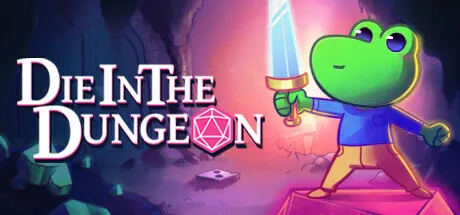
Draws heavy inspiration from Slay the Spire, but forges its own path using dice and a board instead of cards. The board’s spatial component added a lot of additional strategy since dice can have different effects based on what they’re next to on the board, which I liked. Pleasant art and a lot to unlock, too!
Verdict: Will give it at least a few more runs.
Dragonsweeper
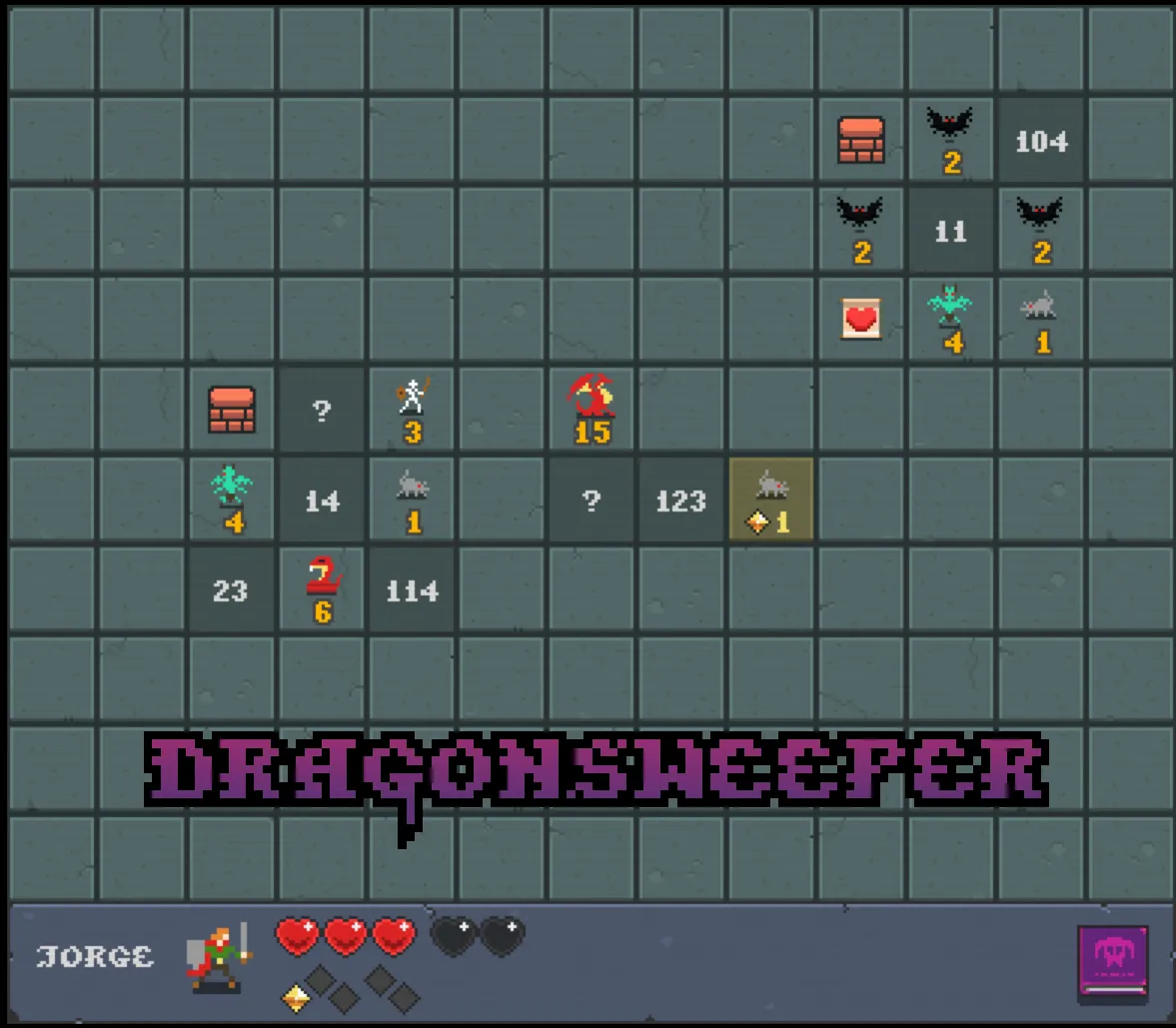
Clever concept that took some time to wrap my head around. The minesweeper gameplay is good, but felt like it leaned too far into randomness vs the (closer to) pure strategy of real minesweeper. Props for trying new things though!
Drop Duchy
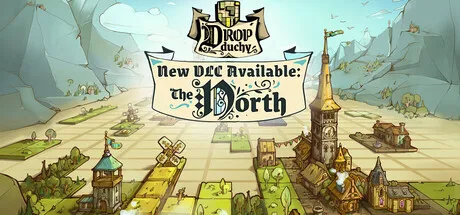
Probably the most unique nominee this year, I described it as a “roguelike deckbuilder battle Tetris” to my friends. You assemble a deck of buildings, each producing military might or resources based on what’s placed around them (e.g. producing wood for every adjacent forest tile).
Each encounter has you shuffling that deck into a pile of tetrominos and playing Tetris as normal. Each time you fill a row, you score all the resources from the tiles on that row, which let you upgrade your buildings. You’re also responsible for placing enemy military buildings when they come up, which need to be placed so they’re at as much of a disadvantage as you can muster. Once all the pieces are placed, your military faces off with theirs and if you survive, you keep accrued resources and live to fight another day.
It may sound like a lot, but all of these systems work together in harmony for a deep, strategic experience that always keeps you on your toes. There’s also an extensive tech tree, unlockable factions, and unique boss fights at the end of each area. The UI could use a little polish, but I was impressed by how well everything came together. Just make sure to play with a mouse, not a controller.
Verdict: Definitely coming back for more.
Gentoo Rescue

A simple premise belies a series of levels that just keep going deeper! Literally. Its recursive level structure is ingenious, using completion of sublevels to block paths on root-level puzzles. There are also a ton of unexpected interactions to discover (and a journal that ensures you understand each once you’ve discovered it).
You don’t actually unlock anything (in what I’ve played so far) but you deepen your understanding of how disparate elements interact, which is both fun and surprisingly complex. Each puzzle is intricately designed and I came away super impressed with the overall level of polish. There’s a lot of the game, but I’m excited to dive back in.
Verdict: Excited to see all it has to offer!
Glowkeeper

One of many games that seems simple until it combines its mechanics in unexpected ways. (See also: many other games in this list.) I liked what I played of it, but it’s a little lo-fi for my tastes. The music is good, but outside of the player character everything is simple sprites. It seems like there are some cool hidden mechanics, but in a world with so much competition, this didn’t jump out at me.
Verdict: Neat game, but not one that really pulled me in.
Is This Seat Taken?
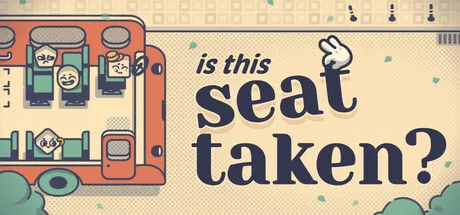
A visually charming take on constraint puzzles. The difficulty ramped up nicely through the levels we played and the overall ascetic was well executed. There’s also a cute little narrative, which is a relative rarity among nominees.
Verdict: We’ll finish this one sometime!
Kaizen: A Factory Story
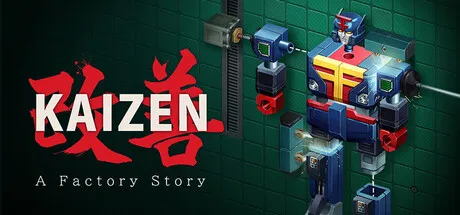
In my article "Kaizen: A Factory Story" is a excellent Zach-like from the devs who know the genre best, I concluded:
Familiar Zachtronics-style gameplay feels great in 1980s Japan.
- Puzzles are tricky, but fair.
- Players can optimize their solutions as much (or as little) as they want.
- The theme is expertly executed, informing every bit of the game.
- Pachinko minigame leaves too much to chance.
Score based on my 4-point rating scale.
Leap Year: March

I loved how tight the design of Leap Year was. Each room is crafted with a very specific purpose, even if you don’t understand it right away. The whole thing is wildly elegant. It was short and sweet too, leaving me wanting more. Well good news, there’s more!
Its March DLC expands on the mechanics from the base game while ratcheting up the difficulty. I thought I’d love it, but actually came away a little overwhelmed. More puzzles is good, but I thought the base game difficulty was spot on. It was tricky but never too hard and I constantly felt like I was making progress. In the DLC, I kept wandering around, unsure how to progress, since the scope is larger and the puzzles are harder. It’s more of a good thing, but maybe too much.
Verdict: Might revisit because I loved the base game so much, but also might not. It didn’t click with me like the base game did.
Ligo
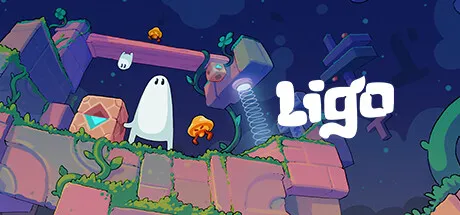
A challenging multi-agent movement game about squashing ghosts to squish golden goombas. It packs a ton of unexpected mechanics into just a few levels (which reminded me of Entwined Time, a nominee from last year I really liked). It’s tough though. The animations are nice and the presentation is nice, but we really spun our wheels for a while on some of the early puzzles. Would have really appreciated a hint system.
Verdict: Won’t revisit. Well made, but not my style of game.
LOK Digital

I never played the book, so I was glad the game seamlessly made the transition to digital. Finding paths through the grid is such a simple concept, but executed flawlessly. The puzzles themselves are clever and add new words and rules with care. The hint system worked well for unblocking us without just handing us the answers. The animations and overall presentation are delightful too.
Mind Diver
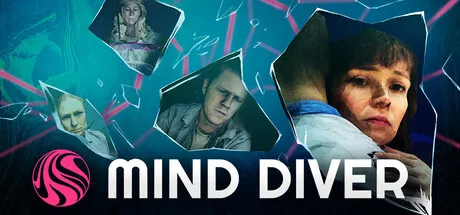
An ambitious, non-linear exploration of a sci-fi story. The puzzles felt fairly straightforward and it didn’t feel like we had to deduce much, but it’s a fascinating concept. The UI is a little clunky and it leans heavily on audio logs as a storytelling medium. Thankfully you can fast-forward them, but it’s still just slower than reading. Everything is nicely voice acted though, which is always a plus.
Verdict: May eventually revisit since I do sort of want to know what happens.
My Friends the Monster Trainers
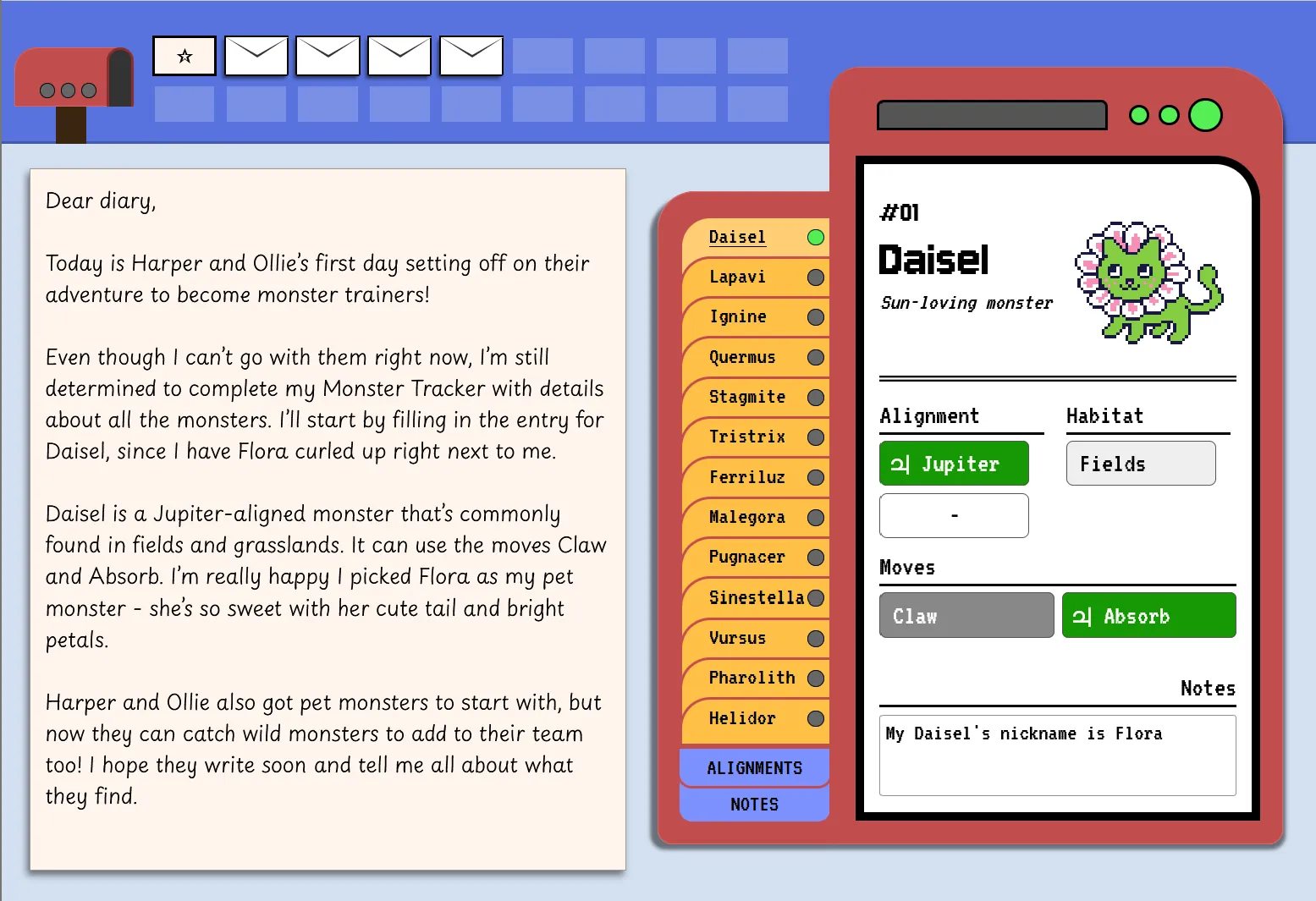
A cute, tiny Roottrees-style game about identifying creatures in a pokédex catalogue. It’s definitely on the easy side, but I liked the way it wove a little narrative into its epistolary clues. Perfect for what it is.
Verdict: Simple, but delightful!
Nurikabe World

I’ve had my eye on this ever since I read the glowing review on Buried Treasure, one of my favorite blogs. It’s “just” a series of nurikabe puzzles, but presented with beautiful art and sound effects. It teaches you all the rules gradually while maintaining a calm, meditative experience. It’s beautifully done and there’s good variation in level design.
Verdict: Will revisit occasionally, but I don’t often sit down to play 100 sudoku in a row.
Nuworm
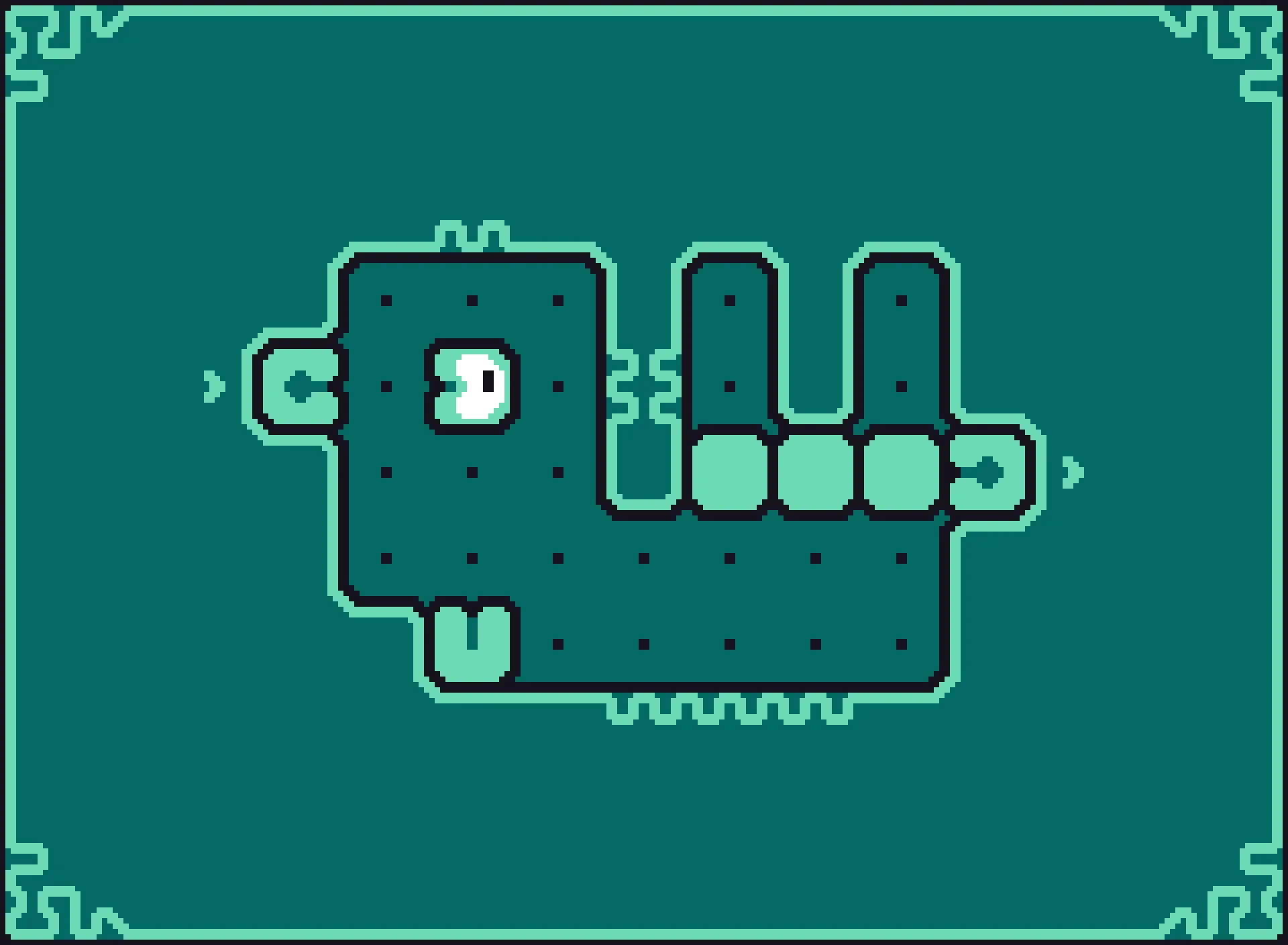
It’s always fun when a game does something totally unique with movement. In this case, you can’t move backward, only rotate and switch characters. The puzzles are tiny and tightly designed around specific ideas which do a good job teaching you. It’s on the harder side, but maybe I just didn’t spend enough time with it. I could have used a hint system, but given the game’s small scope, it makes sense that it’s a little bare bones.
Verdict: Inventive little game, but I’m not patient enough to play the whole thing.
Öoo

Öoo is both the name of the game and the sound I constantly made while playing this extremely tight little puzzle platformer. Elegantly teaches you mechanics while ensuring you understand them before progressing to the next area. Packs a remarkable amount of gameplay into a deceptively simple experience.
Orbyss

In my article "Orbyss" blends tricky puzzles with alien architecture to great effect, I concluded:
Exquisite UI coupled with tons of great puzzle mechanics & an atmospheric setting make for a dynamite time.
- Clever puzzles, including one that literally made me say "wtf, that's so cool" out loud
- Expertly crafted UI supports you while staying out of your way
- Slick controls make complex maneuvers simple to execute
- Beautiful, abstract, alien architecture
- Narrative is technically present, but too abstract to be worthwhile
- Sound-based puzzles are novel, but underwhelming
Score based on my 4-point rating scale.
Puzzle Depot
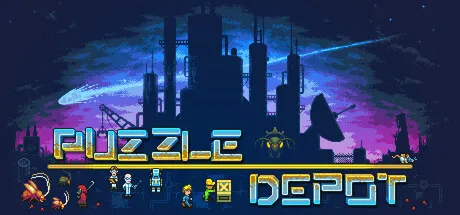
A fascinating evolution on the block-pushing genre that adds equipment, leveling up, and an expansive open world. You can solve puzzles in different ways depending on what gear/stats you have, which is truly a triumph of puzzle design. It also means there’s a lot of information to keep in your head, which might not be for everyone.
There’s some cute writing and a little story to boot. But, the game is huge. Like intimidatingly so. I always felt like I’m solving things in the wrong order or destroying gear I wasn’t supposed to lose. I can appreciate it for what it is, but I found it more stressful than fun. Kudos to them for the design though!
Verdict: A masterclass of design, but not really my cup of tea. I love the idea of it though.
Rise of the Golden Idol DLC

I did micro-reviews of each of these DLCs on the Rise of the Golden Idol page, but suffice it to say that more Golden Idol is always a good thing!
Verdict: Already played; loved.
The Séance of Blake Manor
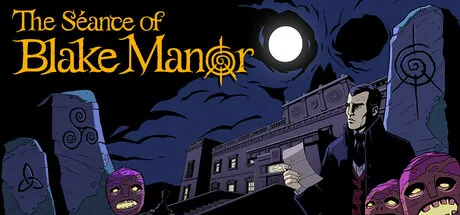
Another great entry in the burgeoning investigative genre. It gives you a lot of latitude to follow the leads you’re interested in whatever order you want. The UI for tracking mysteries and clues is incredibly slick, too. It manages information so well that I suspect they’ll be able to ratchet up the difficulty, which I’m looking forward to.
I’m not nuts about the occult theme or how reading consumes in-game time, but I suspect it won’t stop me enjoying it. Will be a perfect fit during spooky season.
Verdict: Very cool investigative mechanics. Will revisit in October!
Spooky Express
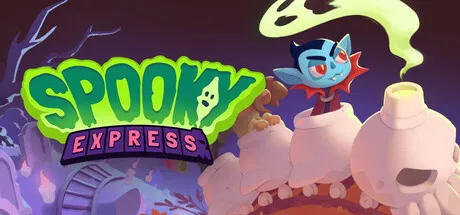
In my article "Spooky Express" is a charming monster mash on rails, I concluded:
Ghoulish pathfinding puzzles and superb theming make for a delightful ride.
- Great puzzle variety that explores increasingly complex mechanical interactions
- Commitment to a well-executed theme
- A wide difficulty curve and plenty of bonus puzzles mean there's something for everyone
- Choo-choo!
- Hint system didn't always help much on harder levels
- Lack of narrative felt like a minor missed opportunity
Score based on my 4-point rating scale.
StarVaders

Another game with distinct Slay the Spire influence, but done in an anime mech-battle style. The deck building and upgrading experience is fairly standard, but the grid that you and enemies maneuver across is a good spin.
Having to position yourself and aim your attacks doesn’t come up much in this genre. There’s also a ton of characters and mechs to unlock, each with unique cards and items, which would help keep things fresh. I was also intrigued by its time-loop story. I’m not sure it’ll resolve well, but it’s certainly an interesting (and appropriate!) hook.
Verdict: I want to see all the unique cards and items, but it’s up against a lot of stiff competition in this genre.
Strange Antiquities
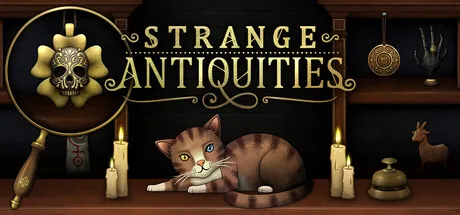
A sequel to Strange Horticulture, another puzzle game we quite enjoyed. It delivers more of the same: matching items to descriptions, exploring a town, chatting up the townsfolk, and making decisions that affect the outcome of the story.
All the animations are buttery smooth and all of the puzzle elements delightfully tactile as you’re clicking and dragging. The occult theme is well-realized and there are a lot of threads to follow. We loved this one!
Verdict: Excited for more, but will save it until spooky season.
Strange Jigsaws
There are few games as whimsical and engaging as what FLEB puts out. They're perfectly sized, surprising at every turn, and playful without compromise. I loved how every puzzled involved some sort of jigsaw, but their application and the process behind solving them varied wildly, so gameplay never felt repetitive. I love its eclectic art style and the experience of literally never knowing what's coming next.
The Roottrees are Dead

In my article The Roottrees are Dead sets you loose on a mysterious family tree, I concluded:
A worthy entry to the Obra Dinn school of tough-but-satisfying logic games.
- Puzzles are delightfully twisty, requiring actual detective work.
- Great UX touches make organizing knowledge a breeze.
- Integrated hint system is great at getting you unblocked.
- The entire game is reading article after article and deciding what information is important, which may not be everyone's cup of tea.
Score based on my 4-point rating scale.
Type Help

After playing Roottrees last January, we were hungry for more deduction games. Type Help was the go-to recommendation for folks who had already played all of the mainstream recommendations. We liked it, but its minimal UI held the game back rather than helped it. At the time, I wrote:
Ingenious little puzzle game about using (written) audio logs to track characters' paths through a house as they die dramatically. Its minimalistic UI helps the writing shine. The nonstop chain of logical deductions kept us on the edge of our seats. We made a spreadsheet to track everything, which is a mark of a great puzzle game. I would have liked some actual sound effects (keyboard, music, or even voice acting) and there were a _couple_ of nits we had with the ending, but it was a blast nonetheless. Excited for more!
Well GOOD NEWS! The folks behind Roottrees are giving Type Help the same glow-up treatment. They’ve also changed the name to be something remotely findable. So stay tuned for The Incident at Galley House, launching sometime next year.
Verdict: Played it, loved it, but wait for the remake.
Until next time
No matter who wins each category, each of these games is deserving of their place on the podium. Congrats to everyone involved and thanks again to the Thinky crew for having me!